
1-Day Garage Floor Coatings in San Diego, Carlsbad, Oceanside, CA & Across North County San Diego
Are you searching for the best garage flooring contractor San Diego residents trust for superior durability and aesthetic appeal? Look no further than our advanced concrete coating solutions, engineered to be four times stronger than traditional epoxy. Contact us today for a free quote!
ONE DAY INSTALLATION
LIFETIME WARRANTY
4x STRONGER THAN EPOXY
100% UV STABLE
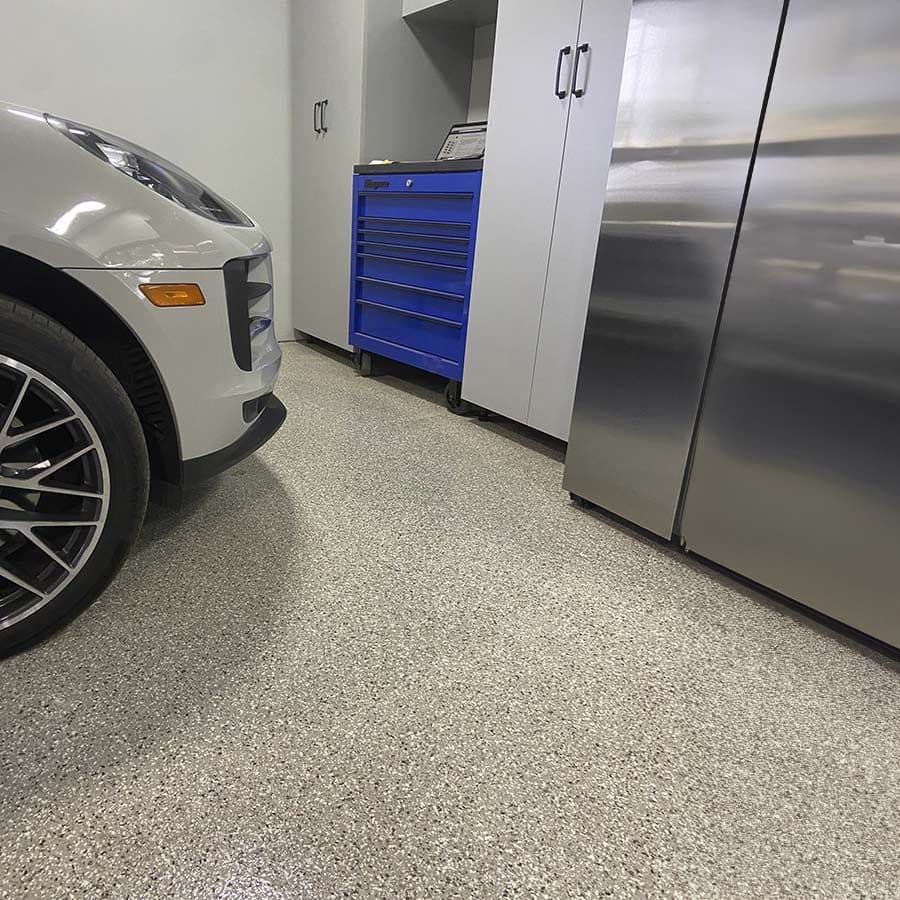
Chip-Proof Garage Floor Coatings in San Diego, Carlsbad & Nearby Communities
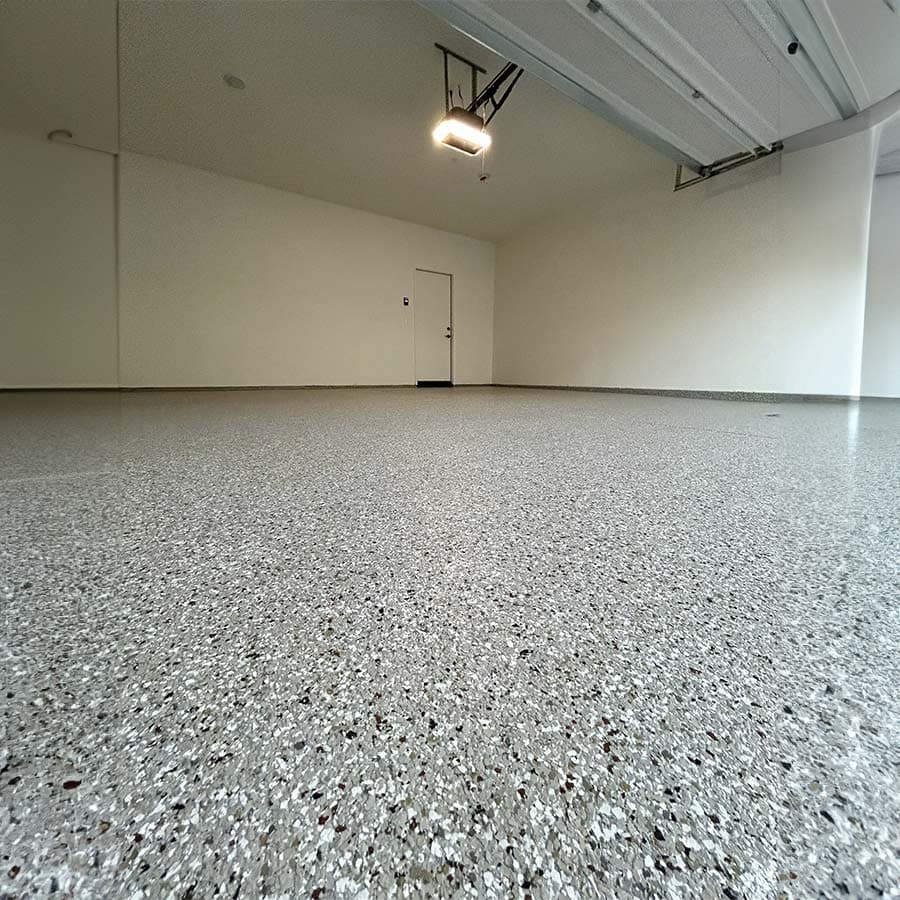
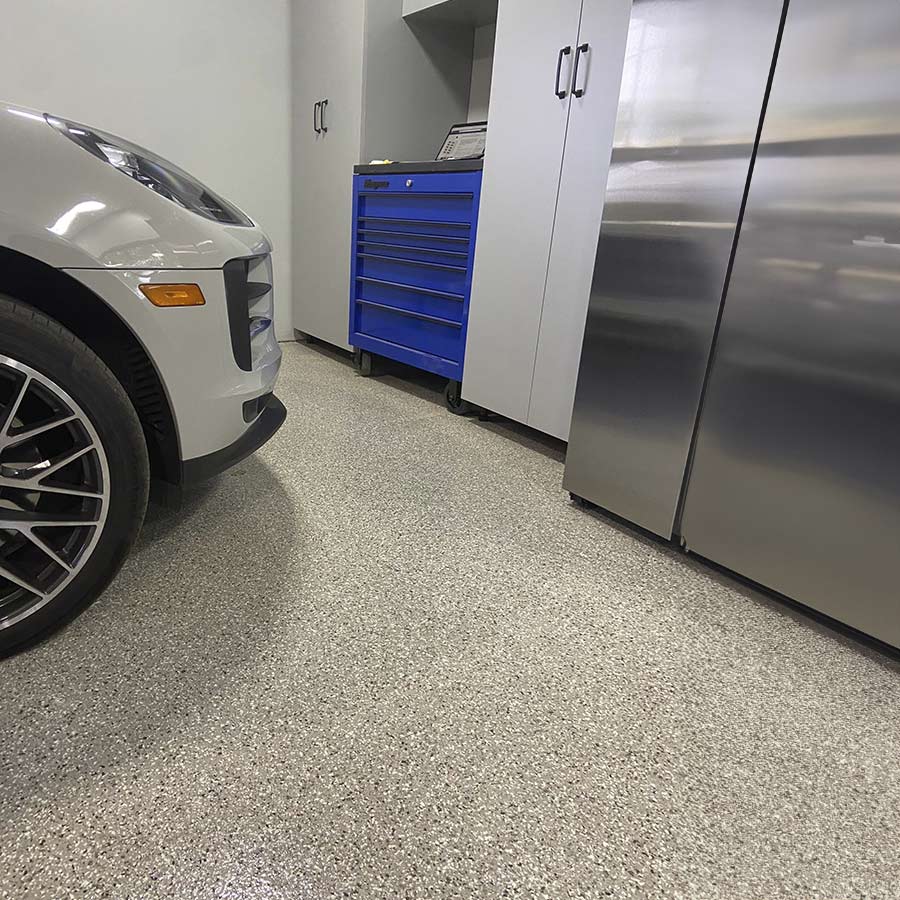
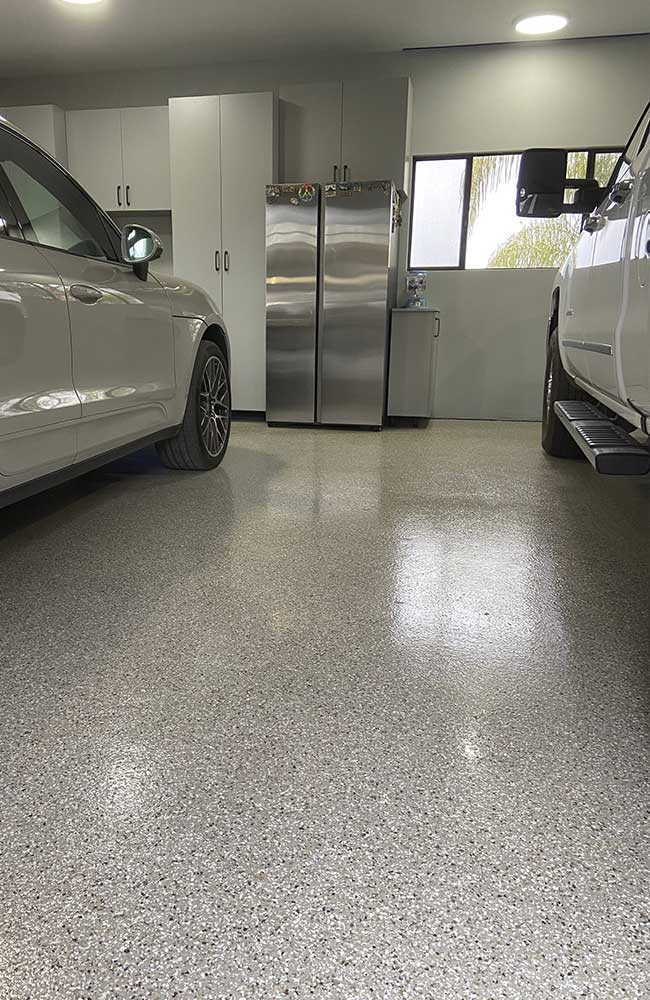
Our garage floor coating includes 30-inch diamond grinding, crack and pit repair with mender material, a polyurea base coat, full-broadcast flake, and a polyaspartic top coat.
Imagine a complete garage transformation in just a single day. Our revolutionary garage floor coatings in San Diego offers precisely that.
Unlike conventional garage epoxy floors that demand extensive cure times, our advanced systems allow for rapid installation and quick return to service. This means minimal disruption to your daily routine and immediate enjoyment of your newly enhanced space. As a premier garage flooring contractor, we understand the value of efficiency without compromising on quality or durability.

The Power of Penntek Coatings for your Garage Floor
When it comes to resilience, our Penntek coatings set a new standard. These advanced systems are formulated to withstand extreme conditions, including heavy vehicle and foot traffic, abrasions, chemical spills, and impacts. Unlike standard garage epoxy floors that can chip, peel, or yellow over time, our concrete coatings maintain its integrity and appearance for years, making it an ideal choice for high-demand environments and extending the life of your garage floor.
One of the most compelling advantages of Penntek coatings is their incredibly fast cure time. Our specialized application process, combined with Penntek’s rapid-drying properties, allows for a complete garage floor transformation in as little as one day. This efficiency minimizes downtime, enabling you to quickly resume normal use of your garage. As a leading garage flooring contractor in San Diego, we pride ourselves on delivering swift, high-quality installations that provide immediate gratification and lasting results.
One of the standout features of concrete coating is the ability to create a seamless and flawless surface. Say goodbye to unsightly cracks, pits, or uneven surfaces. The coating is expertly applied, providing a smooth and polished finish that not only looks impressive but also makes cleaning a breeze. The absence of grout lines or seams eliminates areas where dirt and debris could accumulate, resulting in a garage floor that remains pristine with minimal effort.
Your garage floor should reflect your personal style and complement your aesthetic. Penntek coatings offer an extensive range of colors, textures, and finishes, allowing for complete customization. Whether you prefer a sleek, modern look, a classic, subtle finish, or a vibrant, unique design, our garage floor coatings experts in San Diego can help you achieve your vision. From solid colors to decorative flake systems, the design possibilities are virtually limitless, ensuring a truly personalized space.
Concrete coating isn’t just limited to a plain, monochromatic look. You can take it a step further with decorative elements such as patterns, borders, or even incorporate company logos or sports team emblems. The possibilities are virtually endless, allowing you to infuse your personality into the very foundation of your garage.
Unlike some flooring options that can become uncomfortably hot or cold, Penntek coatings offer a degree of temperature regulation. Their composition helps to insulate the concrete, making your garage a more comfortable space year-round. This can be particularly beneficial in San Diego’s varied climate, contributing to energy efficiency and a more pleasant environment for hobbies, workouts, or vehicle maintenance.
Investing in professional garage floor coatings for your San Diego property is a wise financial decision. While the initial outlay might be comparable to high-quality garage epoxy floors, the long-term savings are substantial. Their exceptional durability and low maintenance requirements mean fewer repairs, less frequent cleaning, and a significantly longer lifespan. This translates to a lower total cost of ownership and a higher return on your investment over time.
Our commitment to sustainability is reflected in our choice of concrete coatings. These systems are formulated with environmentally friendly materials and low VOC (Volatile Organic Compound) content, contributing to better indoor air quality. By choosing our garage flooring services, you’re not only enhancing your home but also making a responsible choice for the environment. We prioritize solutions that are safe for your family, your pets, and the planet.
Elevate Your Garage Floor with San Diego's Best Concrete Coating Specialist
When it comes to enhancing your garage, choosing the right garage flooring contractor is paramount. Our team of certified professionals is dedicated to providing the highest quality garage floor coatings San Diego has to offer. Say goodbye to cracked, stained, or dusty concrete and embrace a garage floor that redefines strength, beauty, and functionality.
Contact us today for a consultation and discover why we’re San Diego’s preferred choice for superior concrete coatings.
Our Limited Lifetime Warranty
We proudly stand behind the quality, durability and benefits of our garage floor coatings which is why each installation comes with a Limited Lifetime Warranty. We are confident you’ll enjoy your new floor for decades to come!



HERE'S WHAT OUR CUSTOMERS SAY ABOUT US
OUR SERVICE AREAS
North County Synthetic Coatings
Schedule An Estimate
We will schedule a convenient appointment for an experienced project manager to meet with you to help design and evaluate your floor. You can expect them to test the moisture levels, pick test the hardness of the surface to assure we are using the proper diamonds on your floor during prep and then digitally measure the square footage of your garage or project area. Saving the best for last, you get to select your flake color of choice from a large array of samples. An estimate and installation date will be available for you that day.