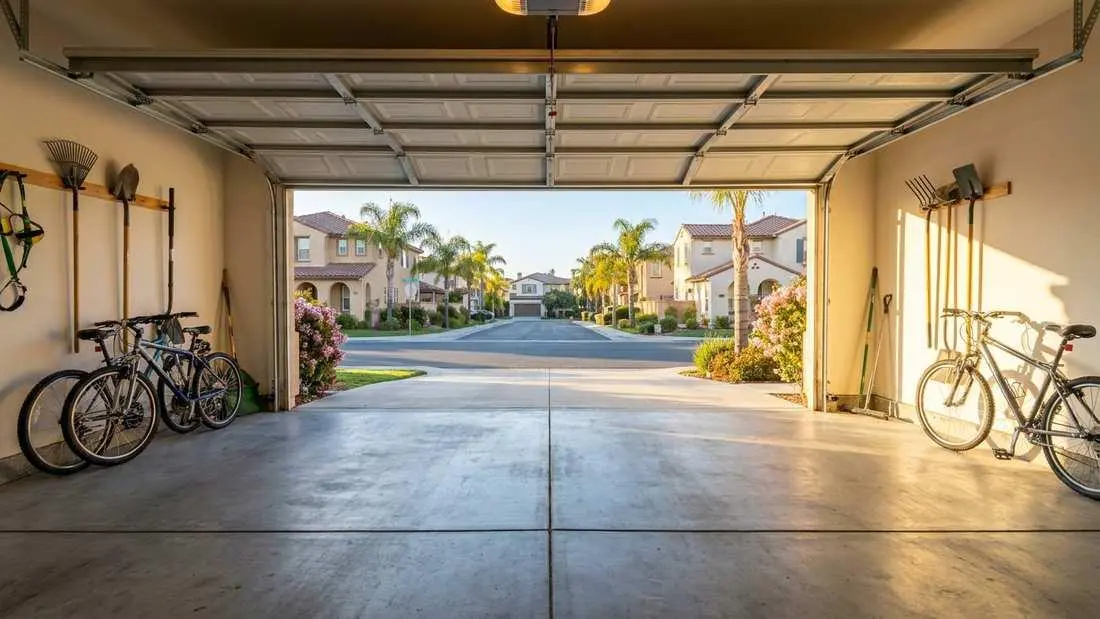
The best time to apply an epoxy garage floor in San Diego is spring or fall, when temperatures hold between 50°F and 85°F and humidity is at its lowest—the conditions epoxy needs to cure properly. Summer heat and the morning marine layer both work against an epoxy cure, so those installs need careful timing. The exception is polyurea. Because it cures in hours instead of days, it can be installed reliably year-round, even through summer and winter conditions compromise epoxy.
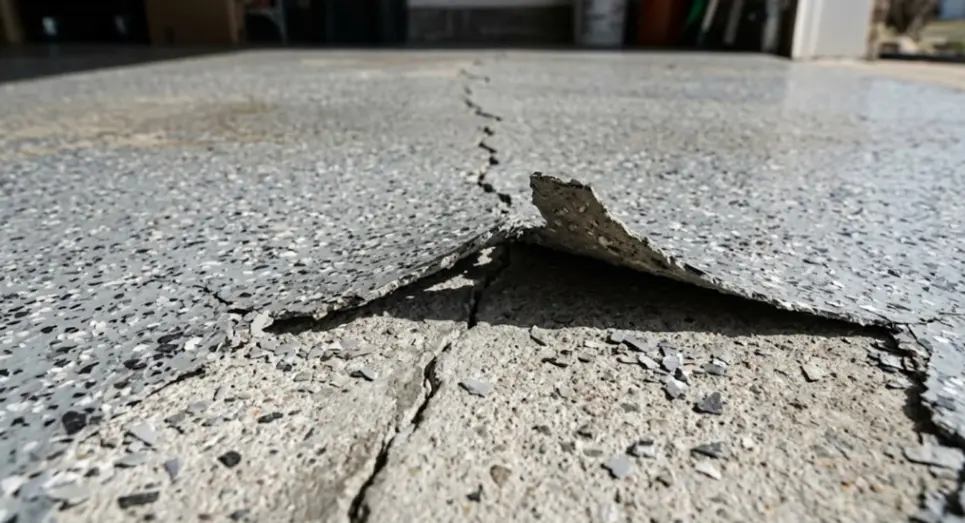
That timing gap matters because epoxy fails quietly. Coat a slab on a warm July morning with invisible marine-layer moisture still on it, and the finish won’t bond. It will bubble or peel weeks later. North County Synthetic Coatings tests every slab for moisture and installs Penntek polyurea garage floor coatings across San Diego County in any season. Learn the temperature and humidity each coating needs, get a season-by-season breakdown, and discover why polyurea installations offer more flexibility.
Temperature and Humidity Requirements for Coating Application
Every floor coating has a cure window defined by temperature and humidity. Epoxy requires surface temperatures between 50°F and 90°F and relative humidity below 85%. If conditions fall outside those ranges, the chemical reaction that hardens the coating slows or stalls, producing a soft, tacky finish that never fully cures.
Polyurea and polyaspartic coatings tolerate a wider range. Penntek’s system cures reliably at higher humidity and across a broader temperature band. This is why North County Synthetic Coatings installs one-day garage floor coatings year-round in San Diego. The polyurea base coat reaches initial cure in hours rather than days, reducing the window where temperature swings or moisture can interfere.
Season-by-Season Breakdown for San Diego
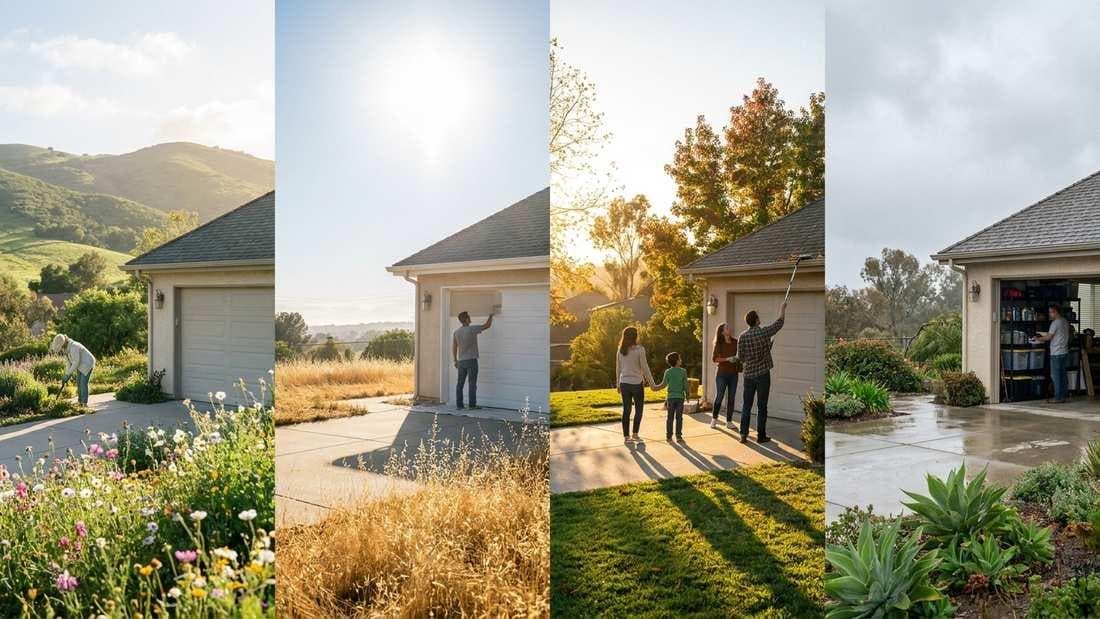
Whether you’re planning a spring refresh or a fall upgrade, here’s how San Diego’s unique seasonal climate affects your garage floor installation.
Spring (March through May)
Temperatures range from 60°F to 75°F with low humidity after the marine layer burns off by mid-morning. This is the ideal window for all coating types, including standard epoxy. Morning moisture testing is still essential for coastal garages in Encinitas, Carlsbad, and Oceanside.
Summer (June through August)
Daytime highs reach 80°F to 90°F, and concrete surface temperatures can exceed 100°F in direct sun. Epoxy applied on hot concrete cures too fast at the surface and too slowly underneath, creating bubbling and outgassing on the finish. Polyurea handles the heat because its cure chemistry isn’t temperature-sensitive in the same way. North County Synthetic Coatings schedules summer installs in the early morning to keep conditions stable.
Fall (September through November)
Temperatures settle into the 65°F to 80°F range with low humidity and minimal marine layer. Fall is the second-best window for all coating types and the most popular booking season for garage projects across Vista, San Marcos, and inland communities.
Winter (December through February)
San Diego winters are mild, with daytime highs around 60°F to 68°F. Overnight temperatures rarely drop below 45°F. Epoxy installers sometimes pause during January, but polyurea systems cure normally in San Diego’s winter conditions. Rain days are the only real scheduling constraint, and San Diego averages about 10 inches of rain per year.
Why Polyurea Systems Offer More Scheduling Flexibility
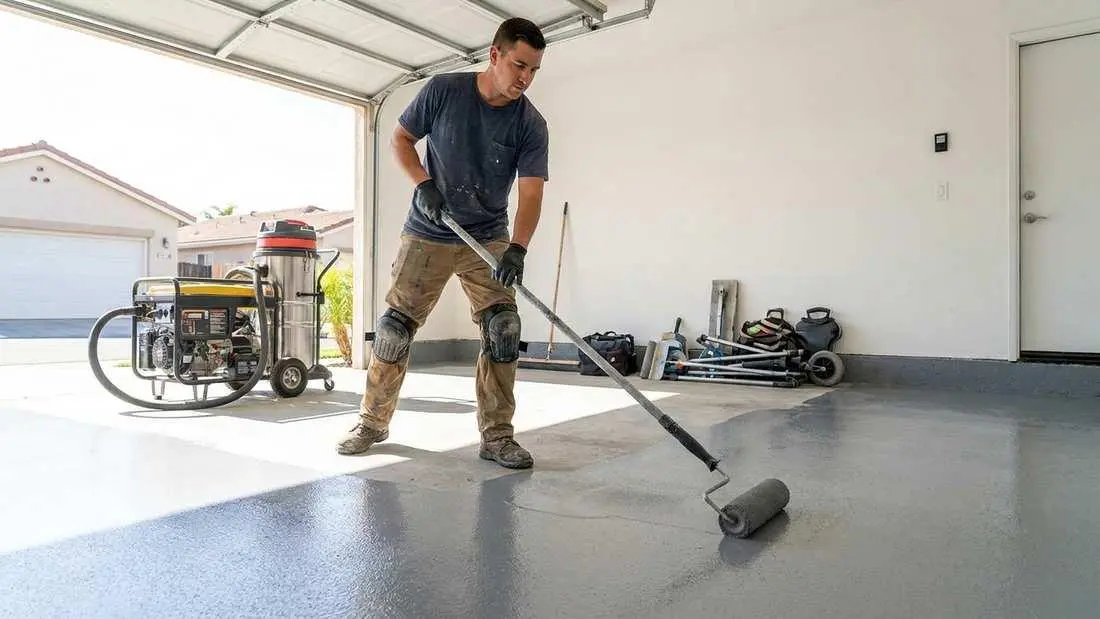
Standard epoxy needs three to five days of stable weather for full cure. If humidity spikes or temperature drops during that window, the finish softens or develops adhesion problems. That narrows the reliable installation calendar, even in San Diego.
Penntek’s polyurea and polyaspartic system cures in hours, which means the entire installation happens in a single day and the garage is back in use within 24 hours. There’s no multi-day cure window where weather changes can compromise the result. The single-day timeline also eliminates the logistical hassle of parking outside for multiple days.
Frequently Asked Questions
Can you apply epoxy to a garage floor in winter in San Diego?
You can apply epoxy to a garage floor during San Diego winters because daytime temperatures typically stay between 60°F and 68°F, which is within epoxy’s cure range. The risk is overnight temperature drops that slow the curing process over the three-to-five-day window epoxy needs. Polyurea cures in hours, eliminating that risk.
How long after coating can I park on my garage floor?
A Penntek polyurea garage floor coating is ready for vehicle traffic within 24 hours of installation in San Diego’s climate. Standard epoxy coatings require 72 hours or more before the surface can handle tire weight without leaving impressions. North County Synthetic Coatings completes the full installation in a single day so the garage is functional the next morning.
Does San Diego humidity affect garage floor coating installation?
San Diego’s coastal humidity does affect garage floor coating installation because morning marine layer moisture can condense on cool concrete and weaken adhesion. Moisture testing before application catches this problem. Polyurea tolerates higher ambient humidity than epoxy during application, giving coastal homeowners a wider installation window.
Schedule Your Coating at the Right Time
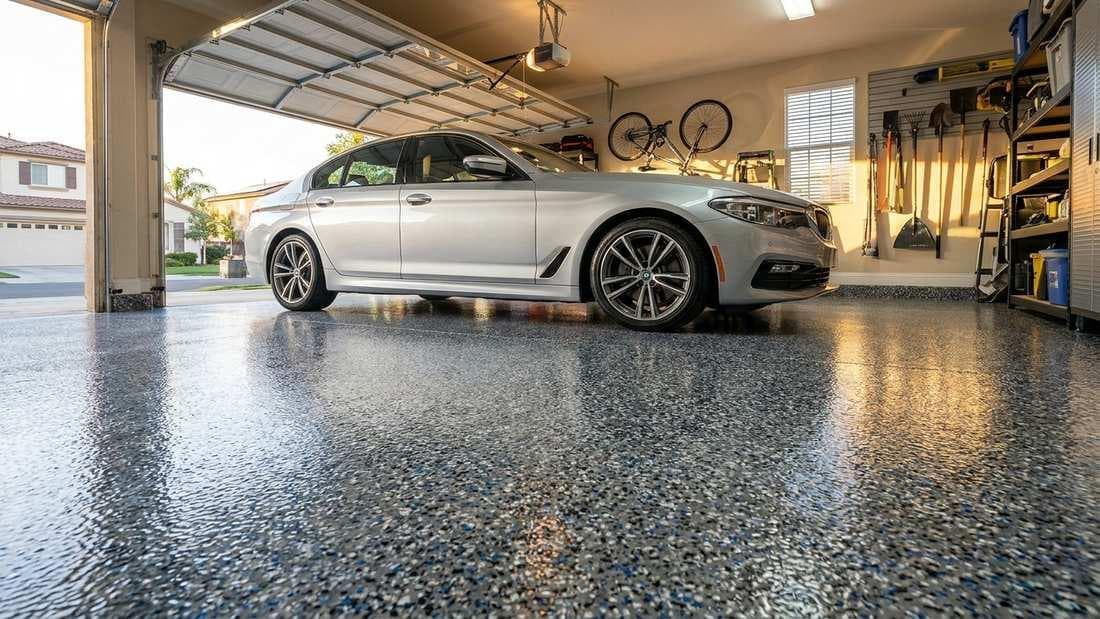
Spring and fall give every coating type the best conditions in San Diego. Summer and winter work too, but they favor polyurea systems that cure fast and tolerate a wider range of temperature and humidity. The best time to coat your garage floor is when the schedule works for you, as long as your installer tests for moisture and uses a system rated for the conditions.
Contact North County Synthetic Coatings at (760) 618-1188 or request a free estimate online to book your San Diego garage floor coating.

Troy Rasmusen is a San Diego-based entrepreneur and the owner of North County Synthetic Coatings. Specializing in premium floor transformations, Troy combines technical expertise with a commitment to quality craftsmanship to help Southern California property owners elevate their spaces.