Epoxy floor preparation comes down to three things that are done before any coating is applied: diamond grinding the slab to open its pores, testing it for moisture, and filling every crack. Get those right and the coating bonds for 15 years or more. Skip or rush them and it peels within the first year, no matter how good the product is. That’s not a small risk either. Most coating failures are due to bad prep, not a bad coating.
The reason is simple: a coating can only grip what’s underneath it. Pour polyurea over oil, dust, sealer residue, or a damp slab, and it bonds to the contaminant instead of the concrete. North County Synthetic Coatings preps every San Diego garage floor with diamond grinding and moisture testing before a drop of coating goes down. This blog post explains how each prep step works and how it affects your coating’s lifespan.
Why Surface Preparation Matters More Than the Coating
A coating is only as strong as its bond to the concrete. If the surface is contaminated with oil, paint, sealer residue, or dust, the coating sits on top of the contaminant instead of bonding to the slab. That’s why even premium polyurea systems fail when applied over poorly prepped concrete.
Surface preparation serves three functions: it removes contaminants, opens the concrete pores for mechanical adhesion, and creates a consistent surface profile so the coating cures at a uniform thickness. Skip any one of those and the coating develops weak spots that show up as peeling and delamination within the first year.
Diamond Grinding vs Acid Etching
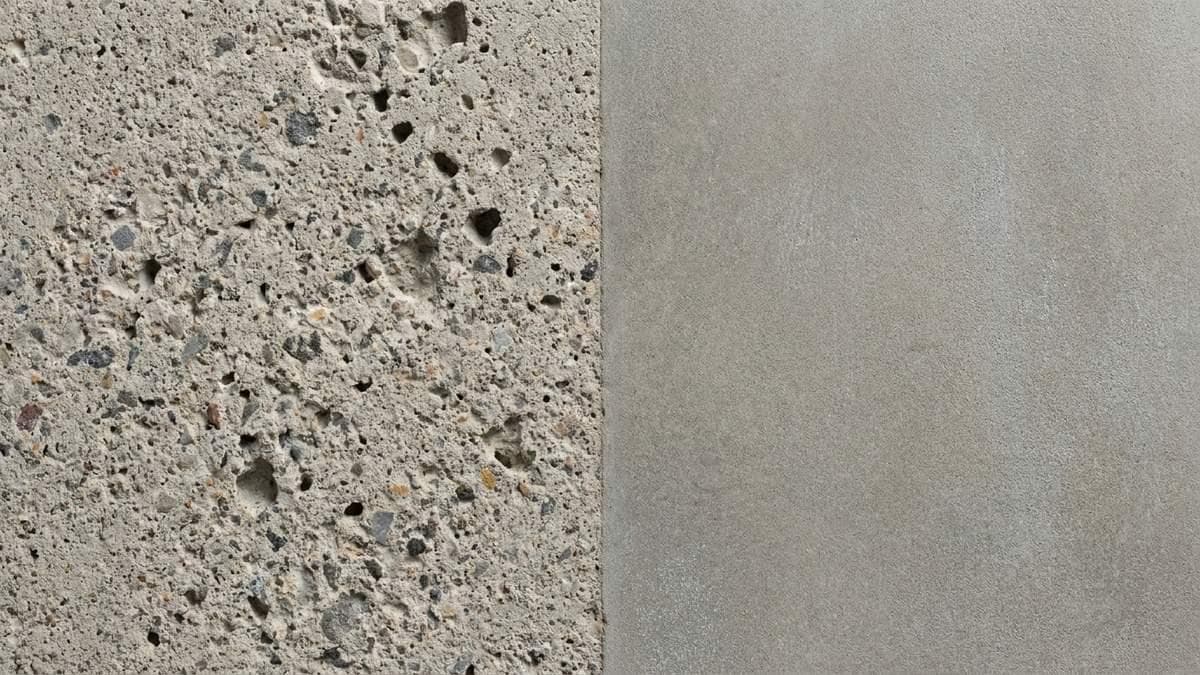
Choosing the right surface preparation method (mechanical diamond grinding or chemical acid etching) is critical to achieving a long-lasting, reliable bond for your concrete floor coating.
Diamond Grinding
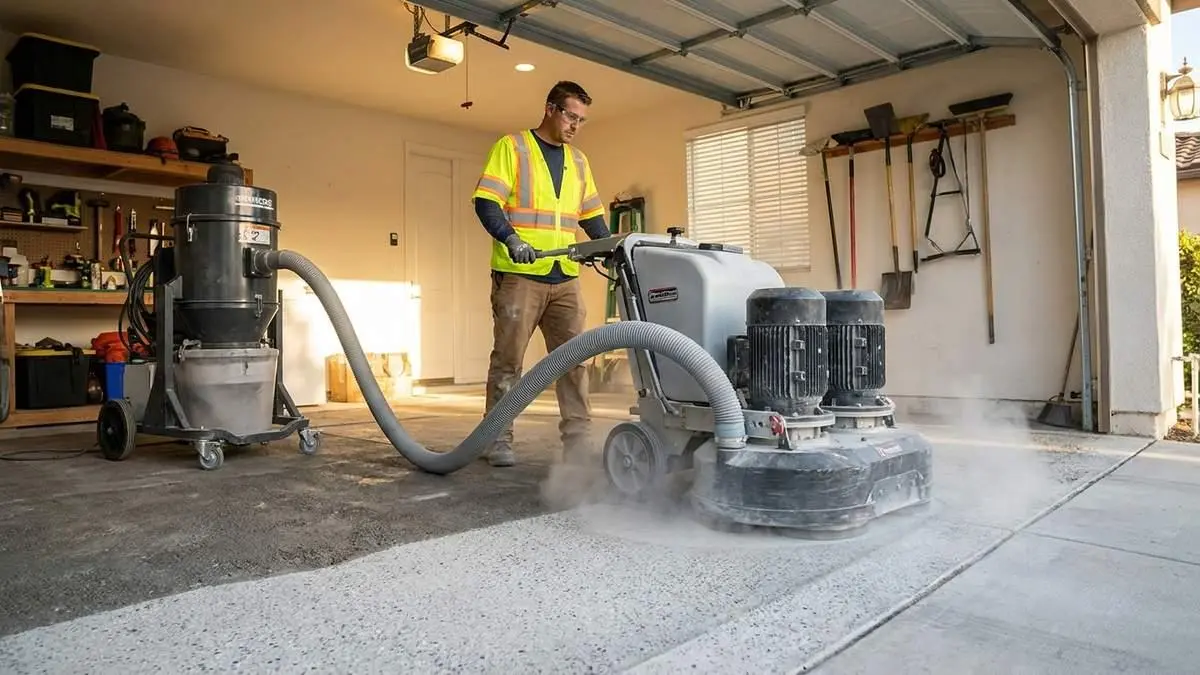
Diamond grinding uses an industrial floor grinder with diamond-segment tooling to mechanically abrade the concrete surface. The result is a CSP 3 profile, which means the pores are open enough for the coating to flow in and lock mechanically. North County Synthetic Coatings uses a 30-inch grinder plus hand tools along edges and corners, with generator-powered vacuums that control dust throughout.
Acid Etching
Acid etching uses a chemical solution to dissolve the surface layer. It’s cheaper and faster, but produces an inconsistent profile. Some areas etch deeper than others depending on concrete density and moisture content. The result is uneven adhesion, and in San Diego’s coastal humidity, that inconsistency leads to early failure.
ICRI standards recommend mechanical preparation for high-performance coating systems. Diamond grinding reliably achieves a CSP 2 to 3 profile; acid etching rarely exceeds CSP 1 to 2. For a polyurea system rated to last 15 or more years, the profile difference matters.
Moisture Testing and Crack Repair
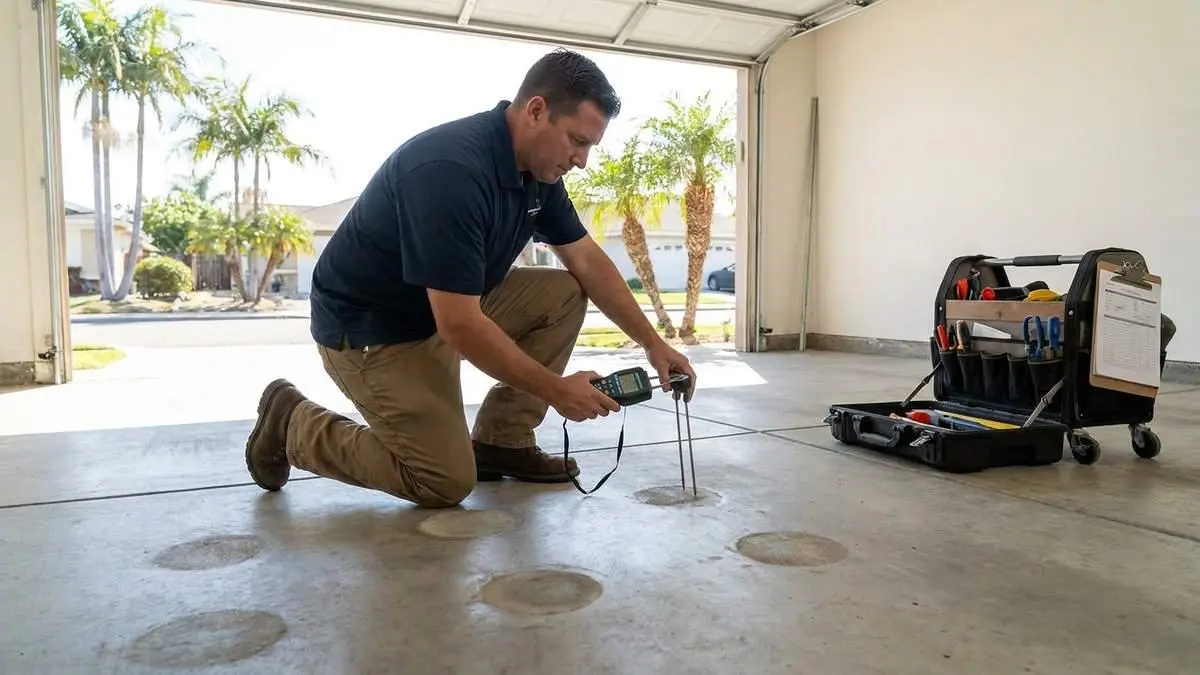
Concrete absorbs and releases moisture constantly. In San Diego’s coastal communities like Carlsbad, Encinitas, and North County, marine layer humidity pushes moisture into garage slabs overnight. If that moisture gets trapped under a coating, it creates vapor pressure that pushes the finish off the slab.
North County Synthetic Coatings tests every garage slab for moisture before coating. If levels are too high, the install is rescheduled rather than forced. This single step prevents the bubbling and outgassing beneath coated floors that eventually leads to adhesion failure in coastal San Diego garages.
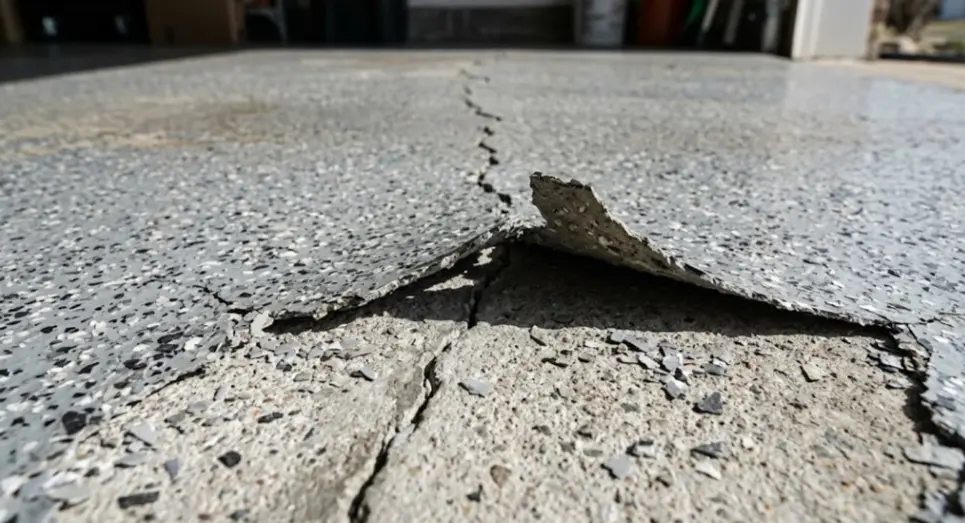
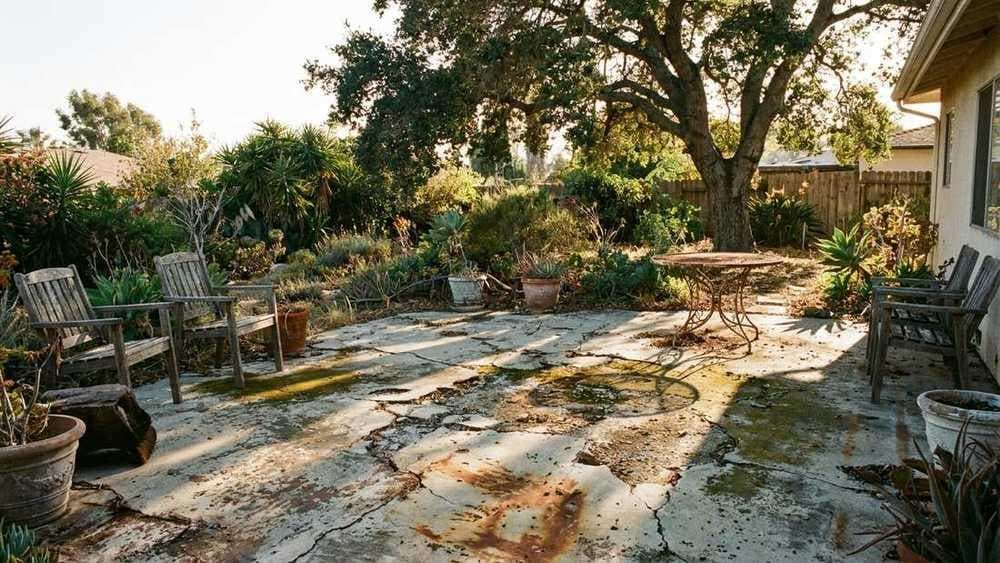
Crack repair follows a similar logic. Cracks that aren’t filled with a compatible mender material create stress points where the coating flexes and eventually splits. Every crack and pit is filled, allowed to dry, and ground smooth before the polyurea base coat goes down.
Frequently Asked Questions
Do I need to prep my garage floor before applying a coating?
You need to prep a garage floor before applying any coating because the prep creates the mechanical bond that holds the finish to the concrete. Without diamond grinding to a CSP 2 to 3 profile, the coating sits on top of surface contaminants instead of locking into the pores. Skipping prep is the leading cause of peeling and delamination in the first year.
Is acid etching good enough for epoxy floor preparation?
Acid etching is not reliable enough for high-performance floor coatings because it produces an inconsistent surface profile that varies with concrete density and moisture content. Diamond grinding achieves a consistent CSP 2 to 3 across the entire slab, which is what polyurea and polyaspartic systems need for permanent adhesion. ICRI standards recommend mechanical preparation over chemical etching for resinous coatings.
How long does garage floor preparation take?
Garage floor preparation for a standard two-car garage in San Diego takes roughly three to four hours, including diamond grinding, crack repair, and moisture testing. North County Synthetic Coatings completes the full preparation and coating installation in a single day, so the garage is back in use within 24 hours.
The Prep Is What You’re Really Paying For
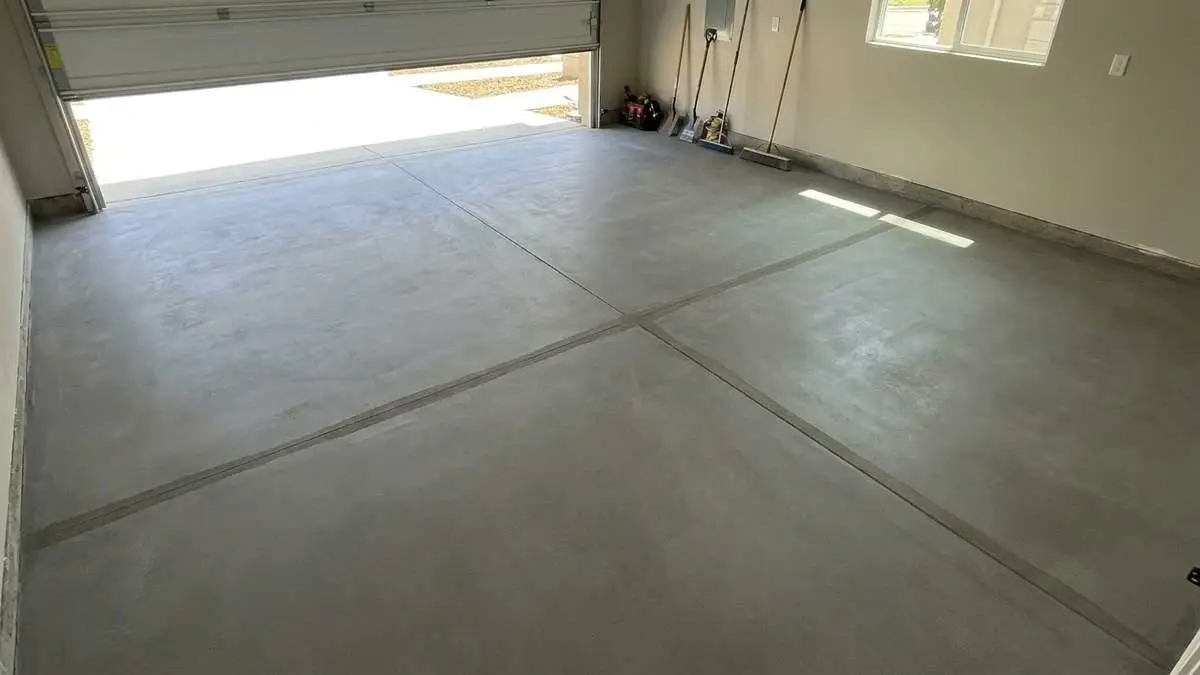
The coating gets the credit, but preparation does the work. Diamond grinding, moisture testing, and crack repair are what separate a 15-year floor from a one-year failure. None of it shows once the coating is down, which is exactly why some installers cut it. You don’t see a skipped moisture test until the floor bubbles, or a shallow grind until the edges start to lift.
So when you compare quotes, ask what the prep actually includes. North County Synthetic Coatings diamond-grinds to a CSP 3 profile, tests every slab for moisture, and reschedules the job rather than coating a damp floor. Contact us at (760) 618-1188 or schedule a free estimate to get your San Diego garage floor prepped and coated the right way.

Troy Rasmusen is a San Diego-based entrepreneur and the owner of North County Synthetic Coatings. Specializing in premium floor transformations, Troy combines technical expertise with a commitment to quality craftsmanship to help Southern California property owners elevate their spaces.