Garage floor tiles vs epoxy coating is one of the most common comparisons San Diego homeowners make when upgrading their garage. Tiles offer quick DIY installation but trap moisture underneath, while professional-grade polyurea coatings bond directly to concrete for a seamless, permanent surface. North County Synthetic Coatings installs Penntek polyurea systems across San Diego County and explains the key differences in this blog post.
You’ve probably narrowed it down to two options: snap-together modular tiles or a professionally applied floor coating. Both promise to protect concrete and improve your garage’s appearance, but they handle San Diego’s salt air, UV exposure, and temperature swings in very different ways.
How Garage Floor Tiles Work
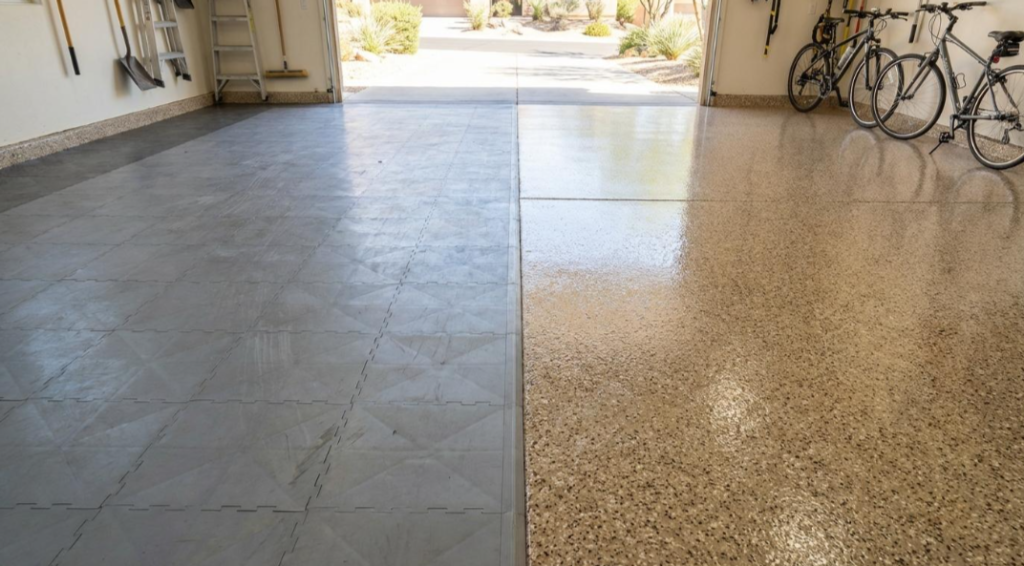
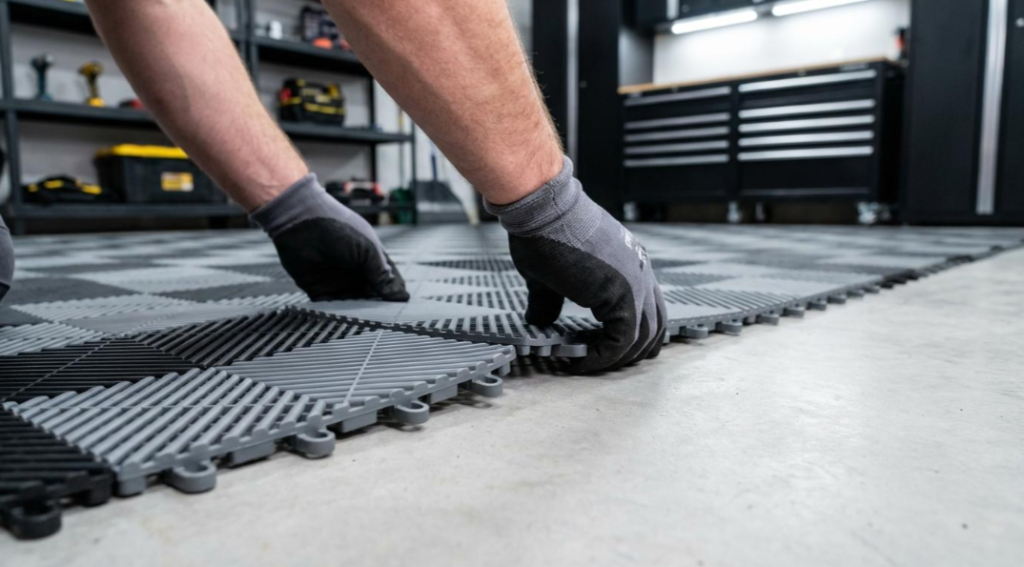
Modular garage floor tiles snap together over existing concrete without adhesive or surface preparation. Most are made from rigid polypropylene or flexible PVC and come in various colors and patterns. Installation takes a few hours for a standard two-car garage, making tiles a popular DIY weekend project.
The appeal is simplicity. You don’t need to grind or prep the concrete, and individual damaged tiles can be replaced without redoing the entire floor. Tiles also work over minor cracks or imperfections that would need repair before applying a coating.
The tradeoff is what happens underneath. Tiles sit on top of concrete rather than bonding to it. In coastal San Diego communities like Encinitas and Carlsbad, moisture from marine-layer humidity migrates through concrete and collects beneath tiles, creating conditions for mold and mildew that you won’t see until the tiles come up.
How Professional Coatings Bond Differently
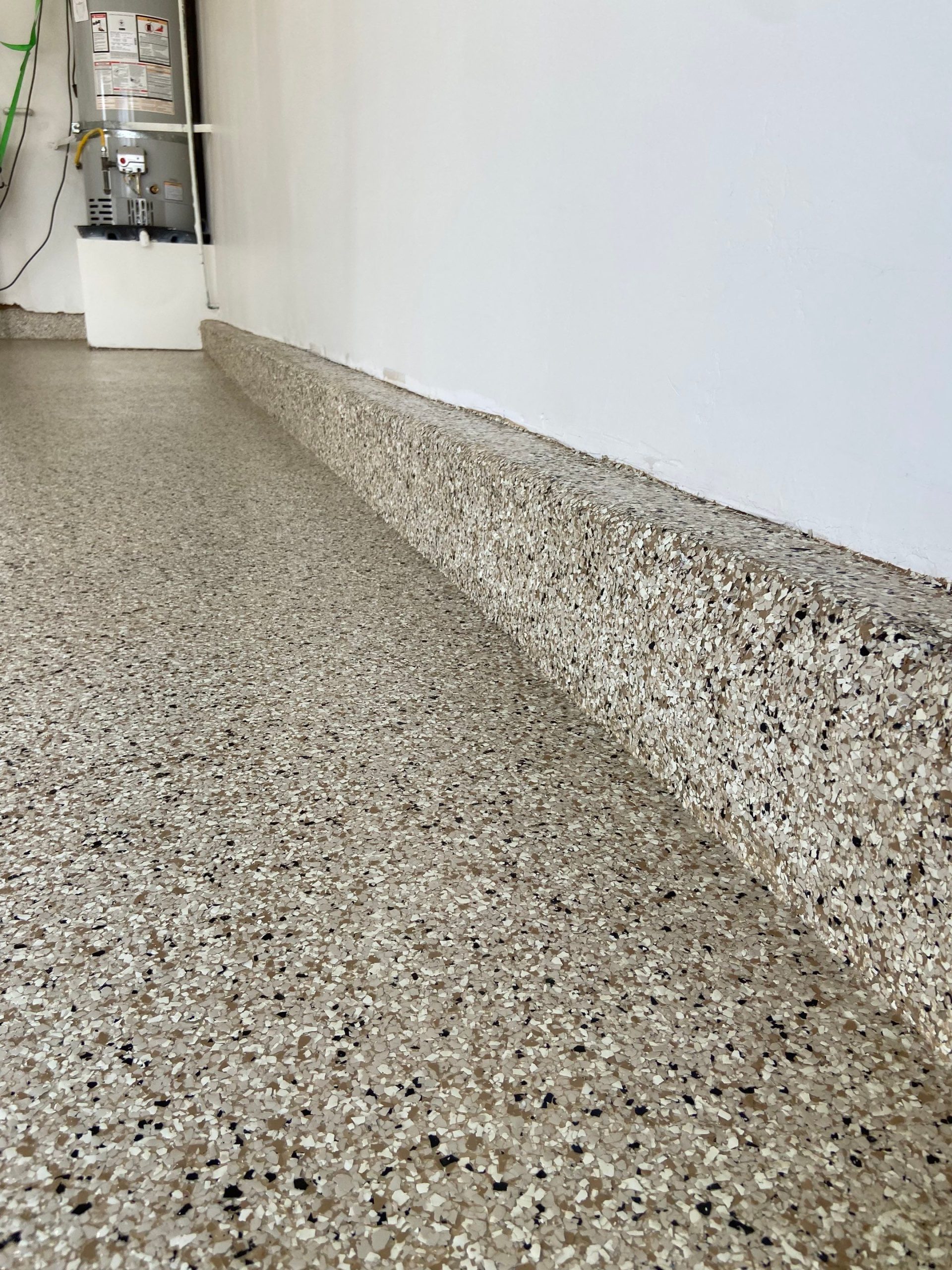
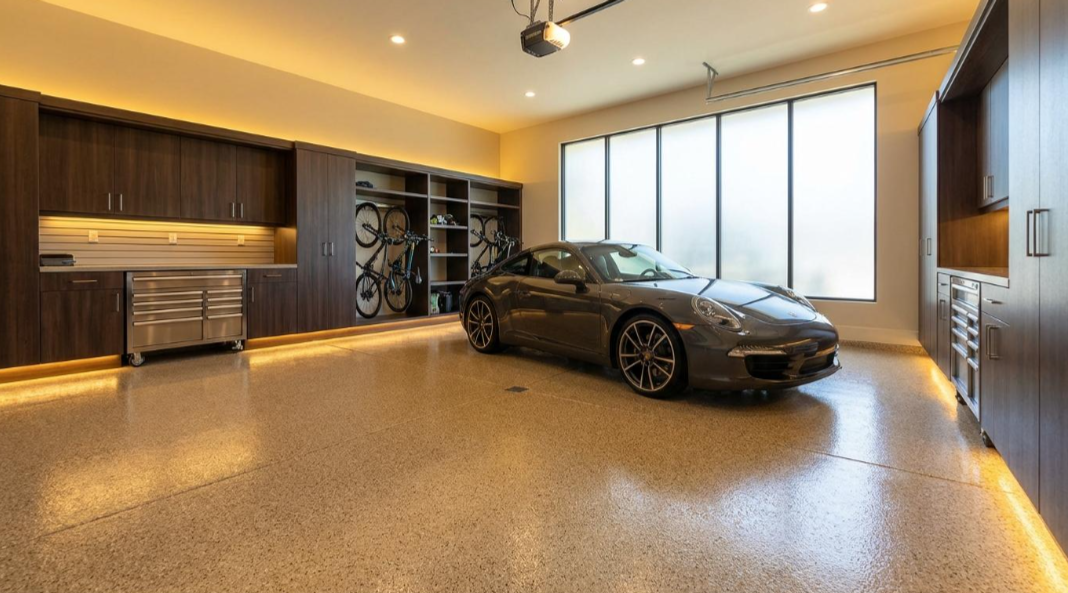
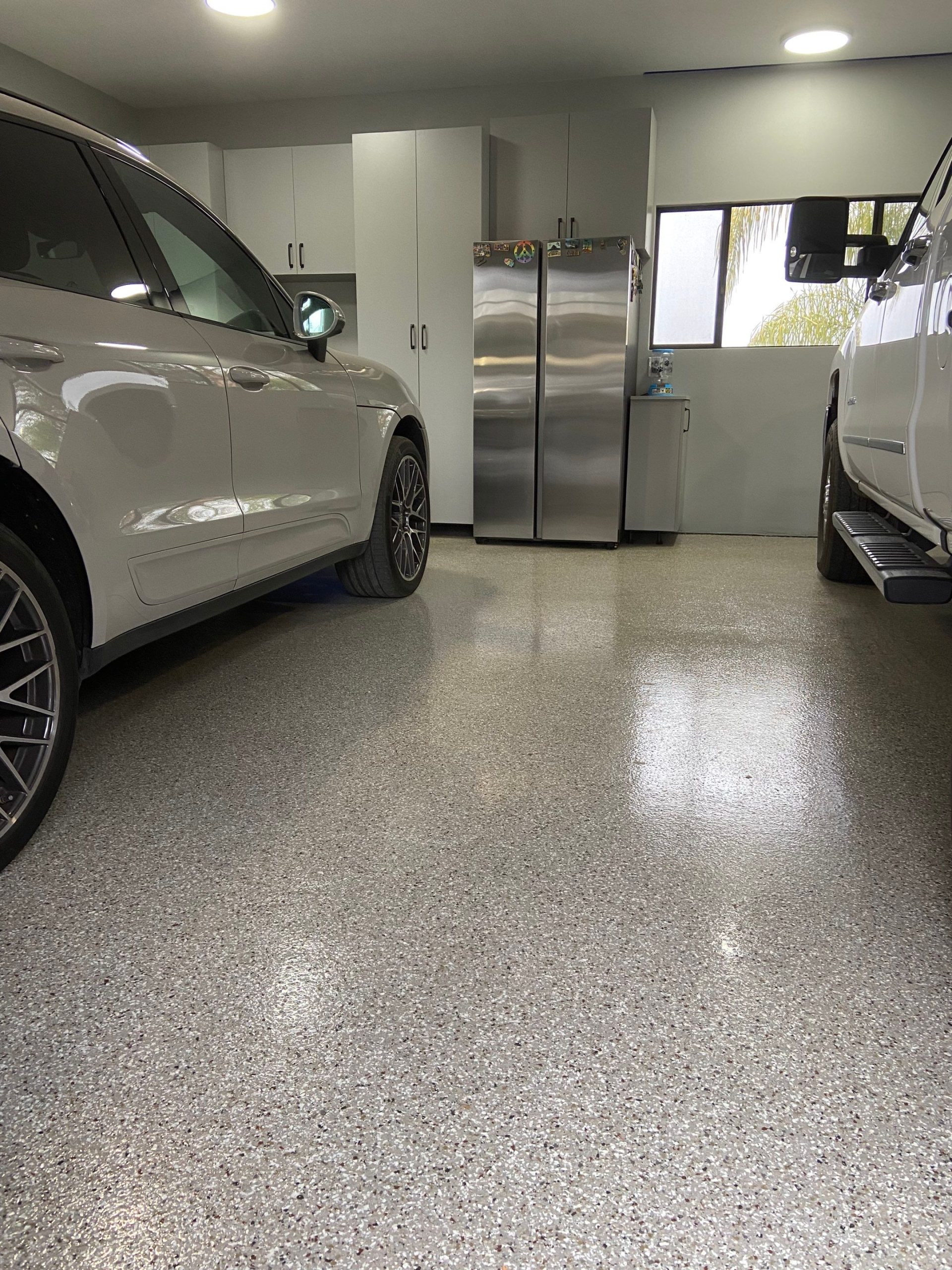
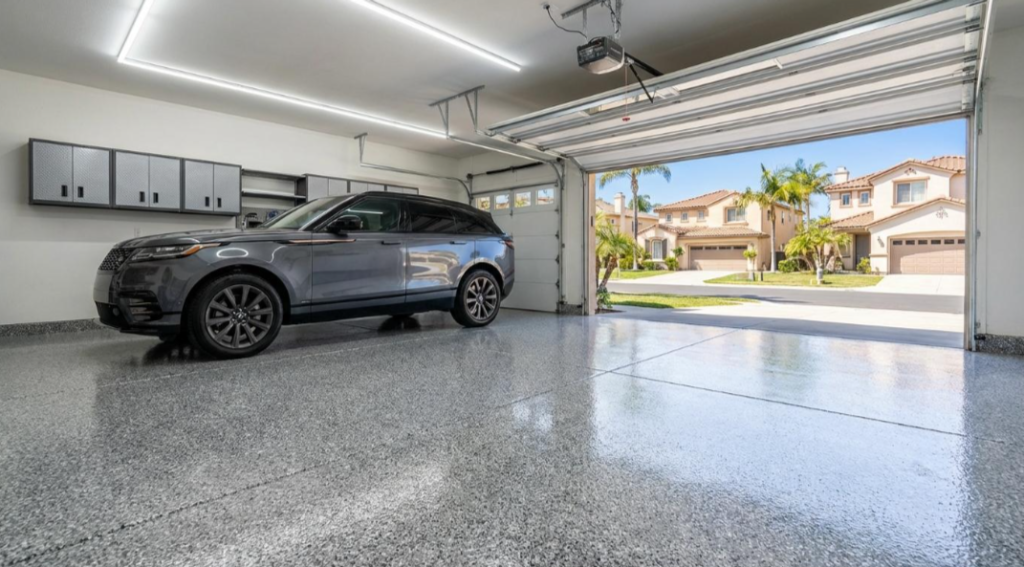
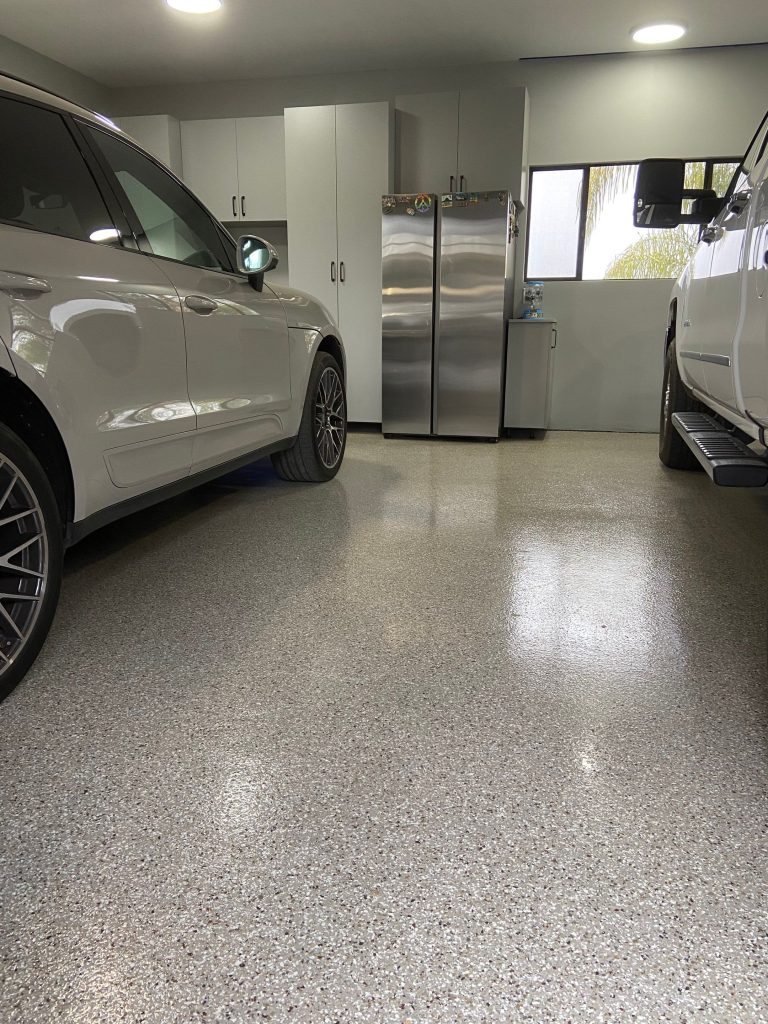
A polyurea coating system bonds directly to concrete through diamond grinding, which opens the slab’s pore structure. This mechanical bond creates a seamless, monolithic surface with no gaps, seams, or spaces where moisture hides. North County Synthetic Coatings uses the Penntek system, which layers a polyurea base coat, full-broadcast decorative flake, and a polyaspartic topcoat.
Each layer chemically bonds to the one beneath it. The result is a surface 4X stronger than traditional epoxy, 100% UV stable, and backed by a limited lifetime warranty. For homeowners researching the best garage floor coating, UV stability is a major differentiator given San Diego’s year-round sun. Standard epoxy often yellows within two to three years under constant exposure, while tiles don’t yellow but collect dust and debris in every seam.
Durability, Maintenance, and Long-Term Value
Tile manufacturers typically offer 10- to 15-year warranties. Individual tiles can crack under heavy point loads from jack stands or dropped tools. When a tile breaks, you replace just that piece, but the replacement color rarely matches weathered originals after a few years of UV and foot traffic.
Coated floors require less ongoing maintenance. Weekly mopping with mild soap keeps the surface clean, and there are no seams to trap dirt. The polyaspartic topcoat resists chemicals, hot tire marks, and abrasion from daily use. The pros and cons of epoxy garage floors become clearer once you compare them to polyurea systems designed for coastal climates.
The cost difference between the two isn’t as significant as most homeowners expect. Quality interlocking tiles run $3 to $8 per square foot, while professional polyurea coatings cost $5 to $9 per square foot. Over 15 years, tiles need periodic section replacements, whereas a properly maintained garage floor coating retains its original finish without additional investment.
Frequently Asked Questions
Can I install garage floor tiles over a coated floor?
Technically yes, but doing so defeats the purpose of both products. The coating already provides protection and aesthetics. Adding tiles creates unnecessary seams where debris collects and traps moisture against the coating surface, potentially causing adhesion problems over time.
Do garage floor tiles hold up in San Diego’s coastal climate?
Tiles handle heat and UV reasonably well, but San Diego’s coastal moisture creates problems. Marine layer humidity seeps through concrete and collects under tiles without proper ventilation. Homeowners in communities from Oceanside to La Jolla report mildew buildup beneath tiles within two to three years of installation.
How long does a professional garage floor coating take to install?
North County Synthetic Coatings completes most residential garage floors in a single day using the Penntek polyurea system. You can walk on the surface within hours and park vehicles the next day. Tile installation takes roughly the same time for DIY but requires more ongoing seam maintenance afterward.
Make the Right Choice for Your Garage
Tiles work for homeowners who want a reversible, no-prep option and don’t mind periodic maintenance between seams. Coatings are the stronger choice when you need a permanent, sealed surface that withstands San Diego’s coastal environment without hidden moisture issues beneath.
Contact North County Synthetic Coatings for a free estimate on a Penntek polyurea garage floor coating designed for San Diego’s climate.

Troy Rasmusen is a San Diego-based entrepreneur and the owner of North County Synthetic Coatings. Specializing in premium floor transformations, Troy combines technical expertise with a commitment to quality craftsmanship to help Southern California property owners elevate their spaces.