Your patio is more than just a surface—it’s where family barbecues happen, where morning coffee tastes better, and where entertaining guests becomes effortless. Patio epoxy and stained concrete both promise to elevate these experiences, but they deliver different benefits for busy homeowners. One is built for low maintenance and long-term durability, while the other offers artistic beauty that comes with a little added upkeep.
Join North County Synthetic Coatings as we examine which option delivers better long-term value.
Understanding Patio Epoxy vs Stained Concrete: Key Differences
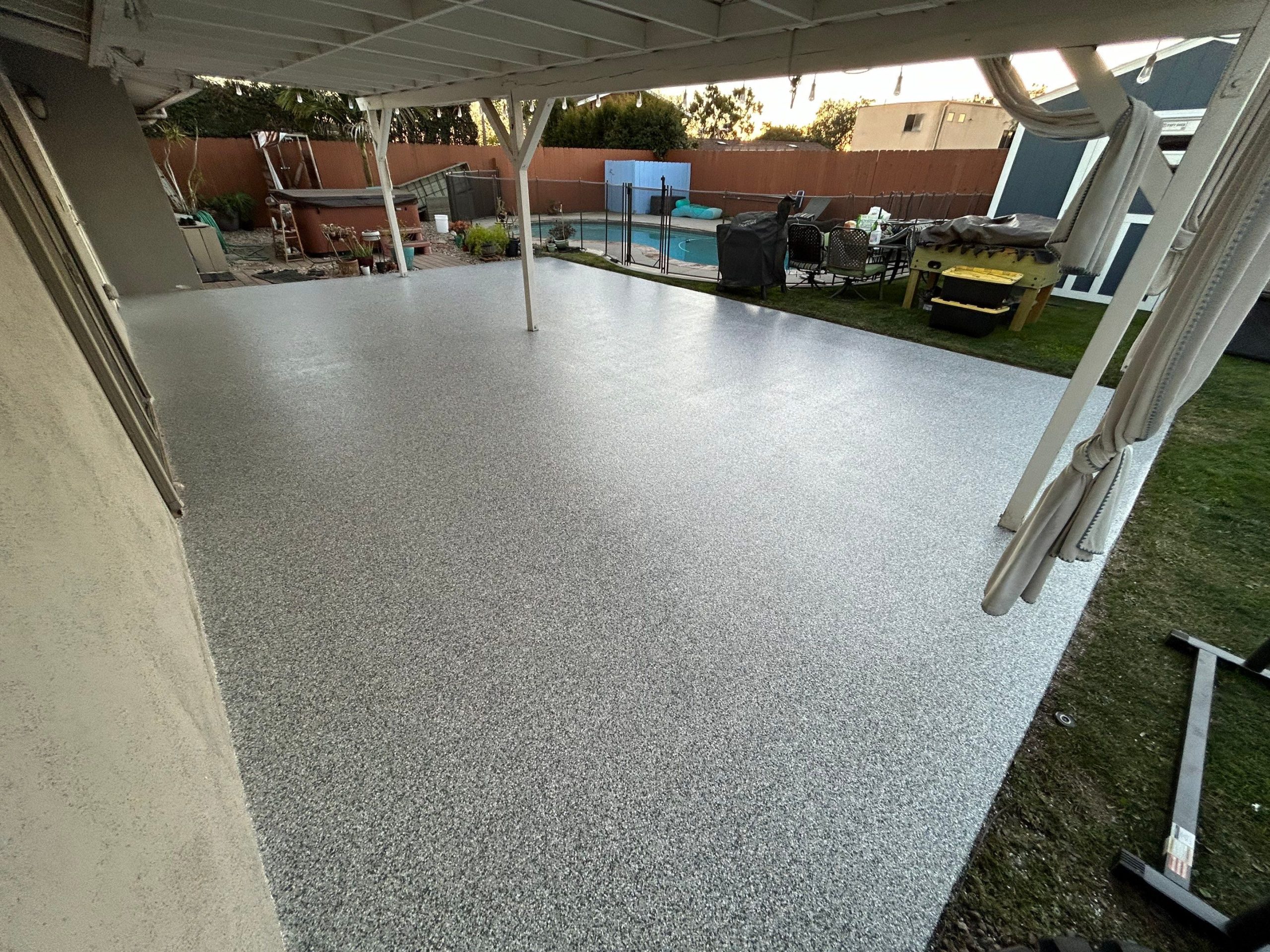
These two patio coatings deliver beautiful results through completely different methods and materials.
What Is Patio Epoxy?
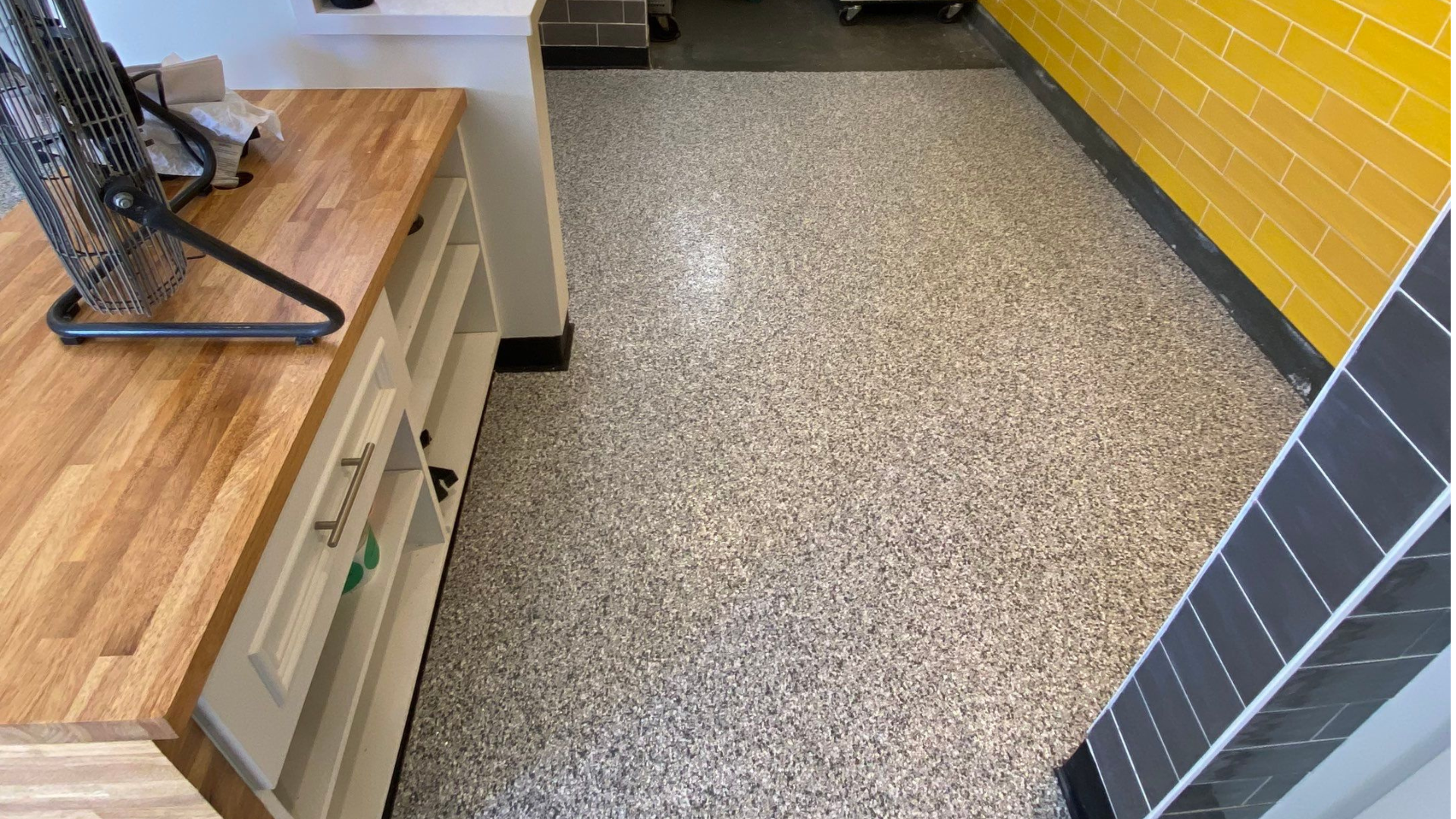
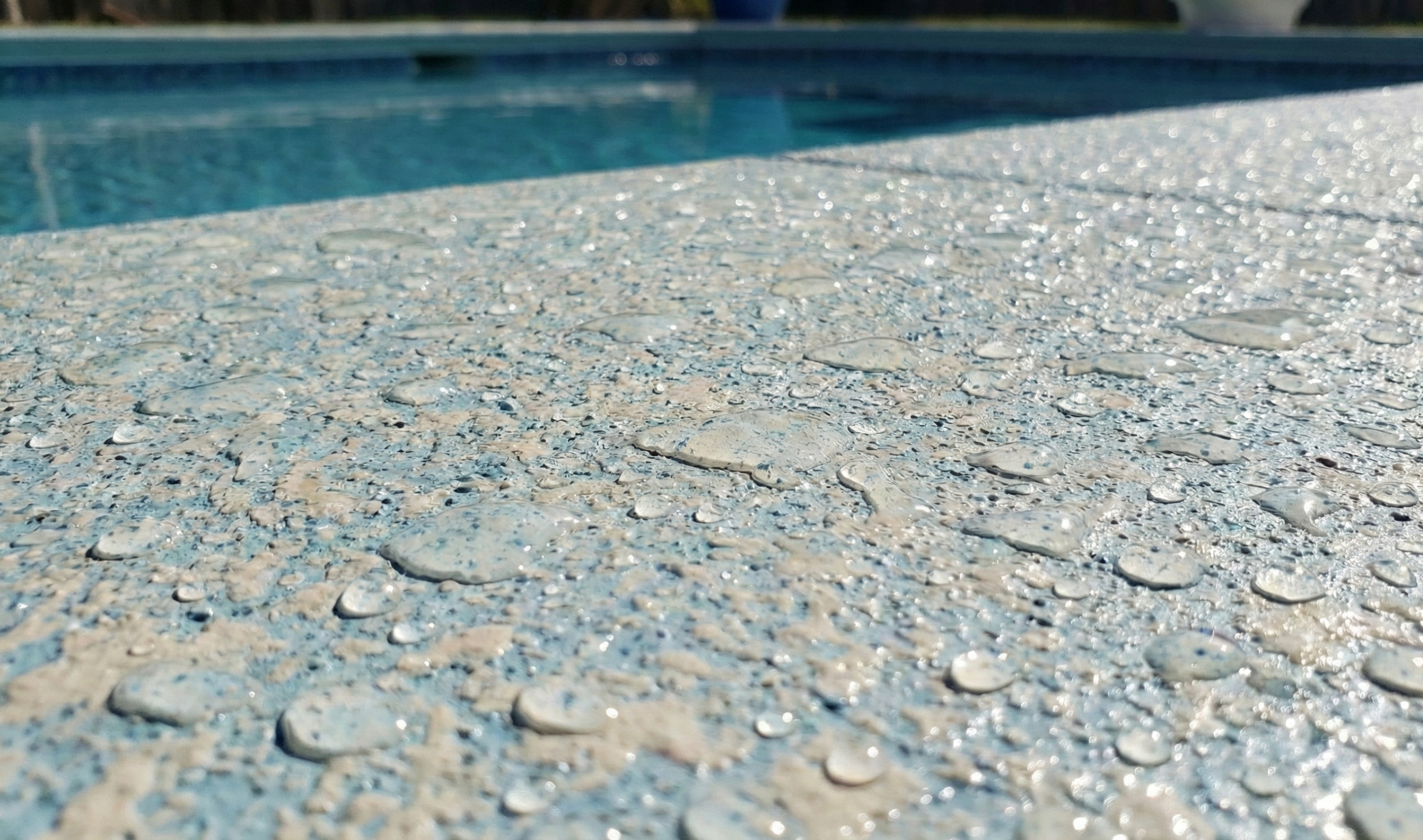
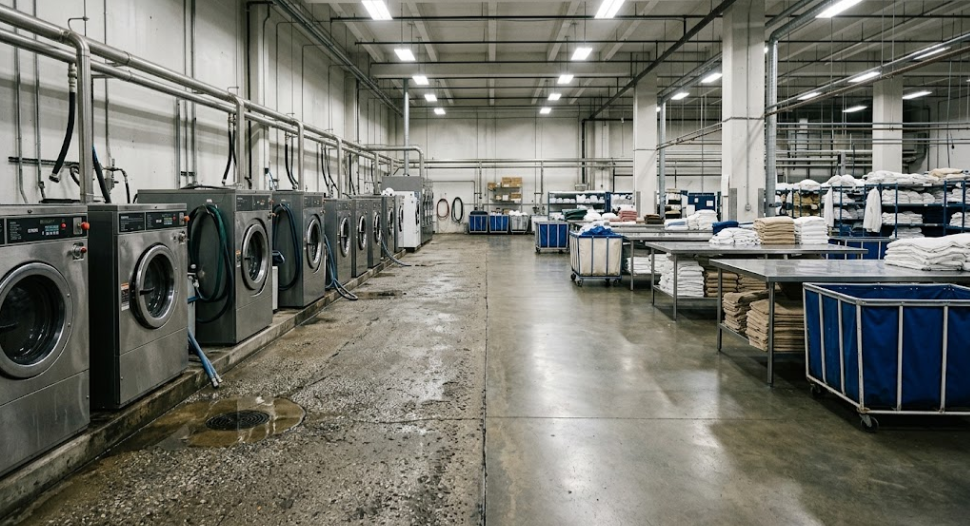
Patio epoxy creates a protective coating that bonds directly with concrete surfaces. This polymer-based system forms a seamless, non-porous barrier that resists stains, moisture, and UV damage. Modern polyaspartic epoxy systems cure rapidly and offer superior flexibility compared to traditional coatings, enabling same-day installation with excellent chemical resistance and color stability.
Slip-resistant epoxy coatings ensure safety around pool areas and during wet conditions. This technology creates a durable surface that can withstand everything from outdoor furniture to high heels without damage.
How Stained Concrete Works
Stained concrete penetrates the surface rather than coating it. Acid-based stains react chemically with the lime in concrete, creating permanent color changes. Meanwhile, water-based stains offer color options with less chemical reaction. The result is a translucent, variegated appearance that highlights concrete’s natural texture while creating unique, artistic patterns that cannot be replicated.
This process enables numerous creative design possibilities, including scoring patterns, multiple colors, and antiquing effects. However, stained concrete requires sealing to protect against stains and weathering.
Durability and Maintenance: Long-Term Performance Comparison

Real-world performance in San Diego County’s climate reveals significant differences between these systems.
Weather Resistance and UV Stability
Patio epoxy excels in weather resistance, particularly against UV degradation. Quality polyaspartic coatings maintain their original appearance indefinitely, even under direct sunlight.
Stained concrete offers excellent durability, but the protective sealer becomes the weak point. While the stain itself is permanent, the sealer degrades over time, especially under Southern California’s intense UV exposure.
Maintenance Requirements Over Time
Patio epoxy requires minimal maintenance—just regular cleaning with household detergents and occasional pressure washing. The non-porous surface prevents stains from penetrating and makes cleanup effortless, even for oil spills, wine, or barbecue sauce.
Stained concrete demands more attention and ongoing investment. The sealer needs to be reapplied every 2 to 3 years in high-UV areas, and stains can penetrate if the sealer fails or wears thin in high-traffic areas.
Key durability factors:
- Surface porosity – Epoxy creates a non-porous barrier; stained concrete remains porous
- Stain resistance – Epoxy is superior; stained concrete requires a sealer
- Traffic tolerance – Both handle foot traffic well; epoxy is better for furniture
- Repair complexity – Epoxy patches blend seamlessly; stained concrete repairs are visible
Cost Analysis: Installation and Lifetime Value

As we study both options, let’s review their installation costs and long-term value.
Upfront Investment Comparison
Stained concrete typically costs $2 to $8 per square foot. Single-color applications cost less, while intricate multi-color designs with scoring or decorative elements increase prices significantly.
Patio epoxy ranges from $6 to $12 per square foot, with premium polyaspartic systems at the higher end. This upfront cost includes comprehensive surface preparation, decorative elements, and the application of the primer, base coat, and topcoat.
Long-Term Cost Considerations
Stained concrete requires ongoing maintenance with sealers costing $1 to $3 per square foot every 2 to 3 years. Over 15 years, these maintenance costs can equal or exceed initial installation costs, particularly for larger patios.
Patio epoxy systems typically provide 15 to over 20 years of performance with minimal maintenance costs beyond basic cleaning supplies. The total cost of ownership often favors patio epoxy due to its reduced maintenance requirements and longer service life, despite the higher initial investment.
Transform Your San Diego County Patio With North County Synthetic Coatings
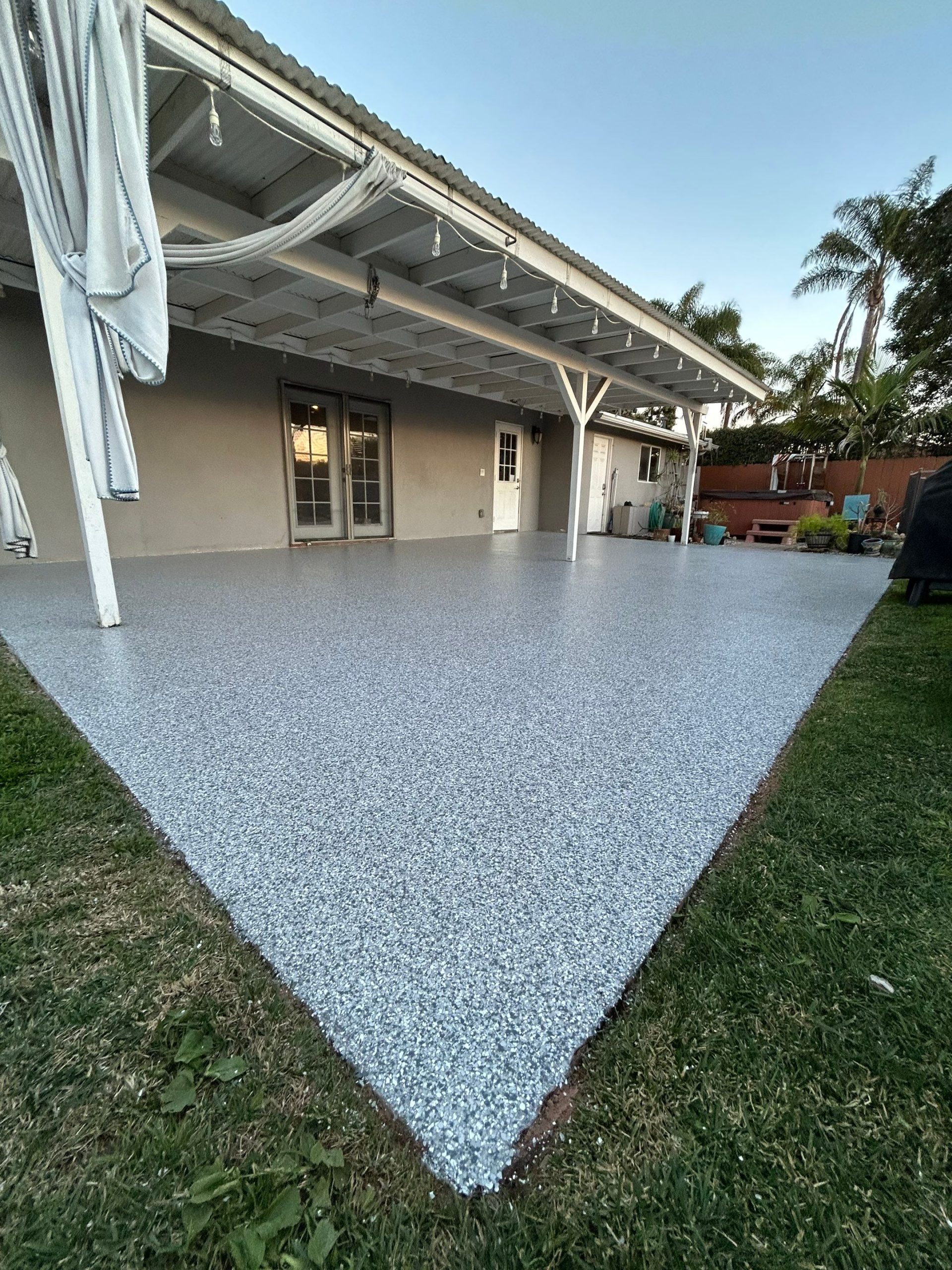
The right choice for your patio depends on your priorities: how durable you need it to be, how much upkeep you’re willing to do, and its long-term value. Both can create beautiful outdoor spaces, but each requires a different level of commitment from homeowners.
North County Synthetic Coatings has transformed patios across San Diego County—from the salt-air exposure of coastal Encinitas to the intense UV conditions of inland Poway. Every location presents unique challenges, and achieving lasting results demands precision, experience, and attention to detail during installation.
That’s where our approach makes the difference. Drawing on the same integrity and discipline that defined our careers as first responders, we guide homeowners through each step, from evaluating which system fits their needs to ensuring professional installation. Contact us today to find the patio solution that looks great and performs reliably for years to come.

Troy Rasmusen is a San Diego-based entrepreneur and the owner of North County Synthetic Coatings. Specializing in premium floor transformations, Troy combines technical expertise with a commitment to quality craftsmanship to help Southern California property owners elevate their spaces.